
Loading...
Serving New Brunswick, NJ and surrounding areas. (732) 633-0675
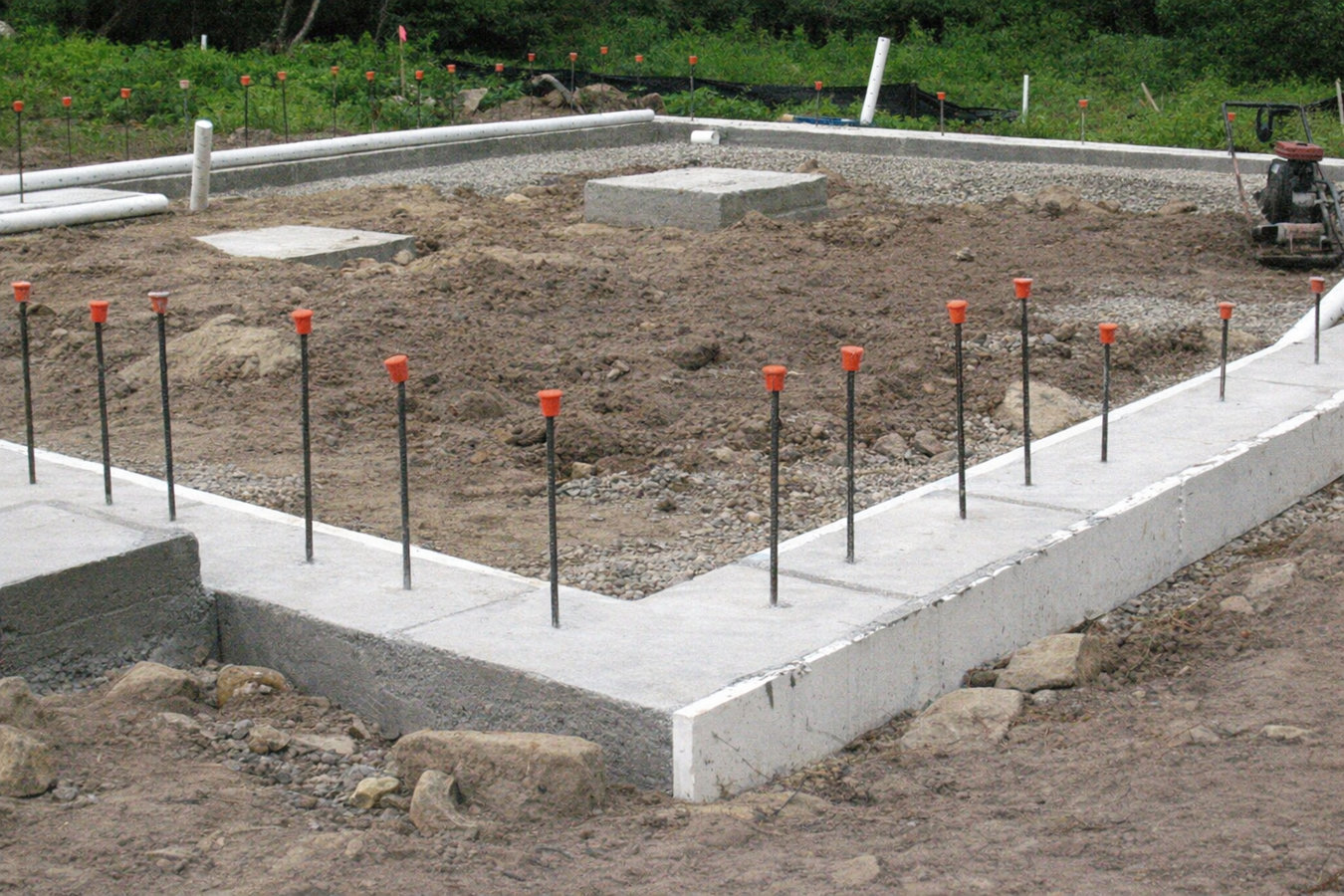
A deck or addition that shifts after the first winter is almost always a footing problem. We install concrete footings in New Brunswick to the correct depth, with permits and city inspections, so your structure stays solid year after year.
Concrete footings in New Brunswick are the buried anchors that hold up a deck, porch, addition, or outbuilding - dug to at least 36 inches below grade to stay below the frost line, formed, reinforced with steel rebar, and poured before the structure above is ever built. Most residential footing projects take one to two days of work, though the full timeline from permit to framing-ready typically runs three to six weeks.
Footings are one of those things you never see after the project is done - which is exactly why they have to be done right the first time. In New Brunswick, where freeze-thaw cycles push shallow footings out of the ground every winter, and where many homes are old enough that original footings were never designed to carry modern additions, getting the depth and size right is the single most important factor in how long your structure lasts. Projects that need a full structural base rather than individual footings sometimes move to foundation installation depending on the size and load requirements.
New Brunswick requires a permit for footing work, and the city sends an inspector before the concrete is poured to confirm depth and steel placement. We handle the permit application and coordinate the inspection so that step does not slow you down.
If you can see a gap opening between your deck and the house, or if the deck surface slopes noticeably in one direction, the footings underneath may have shifted. In New Brunswick's climate, this often happens after a winter with heavy freeze-thaw cycles that pushed a shallow footing upward. A tilting deck is a safety issue, not just a cosmetic one - do not wait on this one.
Cracks that run diagonally or that widen over time are often a sign that the ground underneath has moved. In older New Brunswick neighborhoods, this can happen when original footings were not deep enough, or when soil near the Raritan corridor has settled. A crack that stays the same size is less urgent than one that keeps growing.
Any new structure attached to your home - or any freestanding structure above a certain size - requires proper footings before construction begins. In New Brunswick, this is a code requirement, not just a best practice. Starting without footings means starting without a permit, which creates problems when you sell.
If you bought an older New Brunswick home and there is a deck or addition with no permit history, the footings may not meet current depth or size requirements. This comes up during home sales and can delay or kill a closing. Getting an assessment now is far less stressful than discovering the problem under deadline.
We install concrete footings for residential decks, rear additions, porches, detached garages, and outbuildings throughout New Brunswick. The work covers calling 811 to mark utilities before any digging, excavation to the required depth - at least 36 inches in this area - form setting, rebar placement, city inspection coordination, and the pour itself. After the forms come off, you have solid, inspector-approved footings ready to carry your structure. For larger projects where individual footings are not enough and a continuous poured wall is needed, we also handle foundation installation, and we can assess which approach makes sense for your project during the site visit.
New Brunswick's urban density means some properties have genuinely difficult access - narrow side yards, shared driveways, and limited staging room. When a concrete truck cannot pull close enough to pour directly into the forms, the crew uses wheelbarrows or a pump truck, which adds labor time but does not affect the quality of the finished footing. We account for that in the estimate rather than surprising you with an add-on charge after work begins. Soil conditions near the Raritan corridor can also vary, and we assess the ground at your site before committing to a footing size and depth.
For homeowners adding a new deck or porch - individual concrete piers dug below frost depth and sized for the expected load.
For home additions where the new footings must tie in to the existing structure and carry the weight of additional floors or walls.
For freestanding structures that need a code-compliant footing system before framing begins - including permit management.
For New Brunswick homeowners with unpermitted or aging footings who need an honest evaluation before selling, adding on, or repairing a structure.
New Jersey's frost line in central Middlesex County sits at roughly 36 inches below grade. That is not a suggestion - it is the depth at which the ground reliably stays above freezing in winter, and any footing above it is subject to frost heave that will eventually crack or shift whatever is built on top. New Brunswick also has a large share of homes built before 1960, many of which were never designed to carry modern decks or rear additions. Older properties in this city frequently have surprises below grade - original footings that were shallow by today's standards, soft fill soil from historic construction, or buried debris that only shows up when the first hole is dug. This is why a site visit before any estimate matters more here than in a newer suburb where the ground conditions are more predictable.
We serve New Brunswick and the surrounding region, including Piscataway and Woodbridge. Both communities share the same Middlesex County frost depth and soil variability, and our crews understand what the ground and the local permit offices in this area require.
When you reach out, we ask about the project scope and schedule a site visit before giving you a firm number. Footing costs depend on what we find when we see the ground - tight access, soft soil, or buried surprises all affect the estimate. Expect the visit to take 30 to 60 minutes, and you will hear back within one business day.
We apply for the required building permit through New Brunswick's Construction Office before any digging starts. A few days before work begins, we call 811 to have underground utilities marked. You will see small flags or paint marks in your yard - those show where gas, electric, water, and cable lines run underground.
On the first work day, the crew digs to the required depth and sets forms and rebar. Before the concrete is poured, the city inspector comes out to verify depth and steel placement - this is a required step, not a sign anything is wrong. The inspection usually takes 15 to 30 minutes.
Once inspection is approved, the concrete truck arrives and the pour happens - typically a few hours for a standard residential project. The forms come off after a day or two. Plan for at least a week before framing begins, and a full month for the concrete to reach full rated strength. We give you a clear timeline so you can coordinate with your builder or framing crew.
We visit your site before quoting and handle the permit from application through closed inspection. No obligation to proceed.
(732) 633-0675Central New Jersey's frost line sits at roughly 36 inches. We dig to that depth on every residential footing project, full stop. A footing above that depth will move with the frost eventually, and the damage it causes - a tilting deck, a cracking porch - shows up years after the contractor is gone.
New Brunswick requires a building permit and a city inspection before the concrete is poured. We handle the application and schedule the inspection - you do not need to navigate the city's construction office on your own. When the project is done, you have a closed permit on record that protects you when you sell.
We have done footing work on properties throughout New Brunswick, including older homes near the Raritan corridor where soil conditions and below-grade surprises are more common. Local knowledge means we give you a realistic estimate, not a low number that grows once digging starts.
We complete footing and foundation work throughout Middlesex County and neighboring areas. You can verify our registration as a New Jersey Home Improvement Contractor through the NJ Division of Consumer Affairs - a two-minute check that confirms we are operating legally and can be held accountable.
A footing is the part of the project that disappears underground and never gets seen again - which is exactly why we treat it as the most important part of every job, and it is what separates a careful concrete contractor from one who moves fast and leaves problems behind. The work we do below grade determines how well everything above it holds up for the next 20 years.
Footing permit requirements in New Jersey fall under the NJ Uniform Construction Code, administered locally through New Brunswick. To verify any contractor holds a valid state registration, use the NJ Division of Consumer Affairs Home Improvement Contractor lookup.
Lifting and re-leveling settled foundations on older New Brunswick properties - a related structural service when footings alone are not enough.
Learn moreFull poured concrete foundations for new construction and additions where a continuous wall is needed rather than individual piers.
Learn morePermit season fills up fast - contact us today to lock in your start date before the ground gets too cold to dig.