Loading...
Serving New Brunswick, NJ and surrounding areas. (732) 633-0675
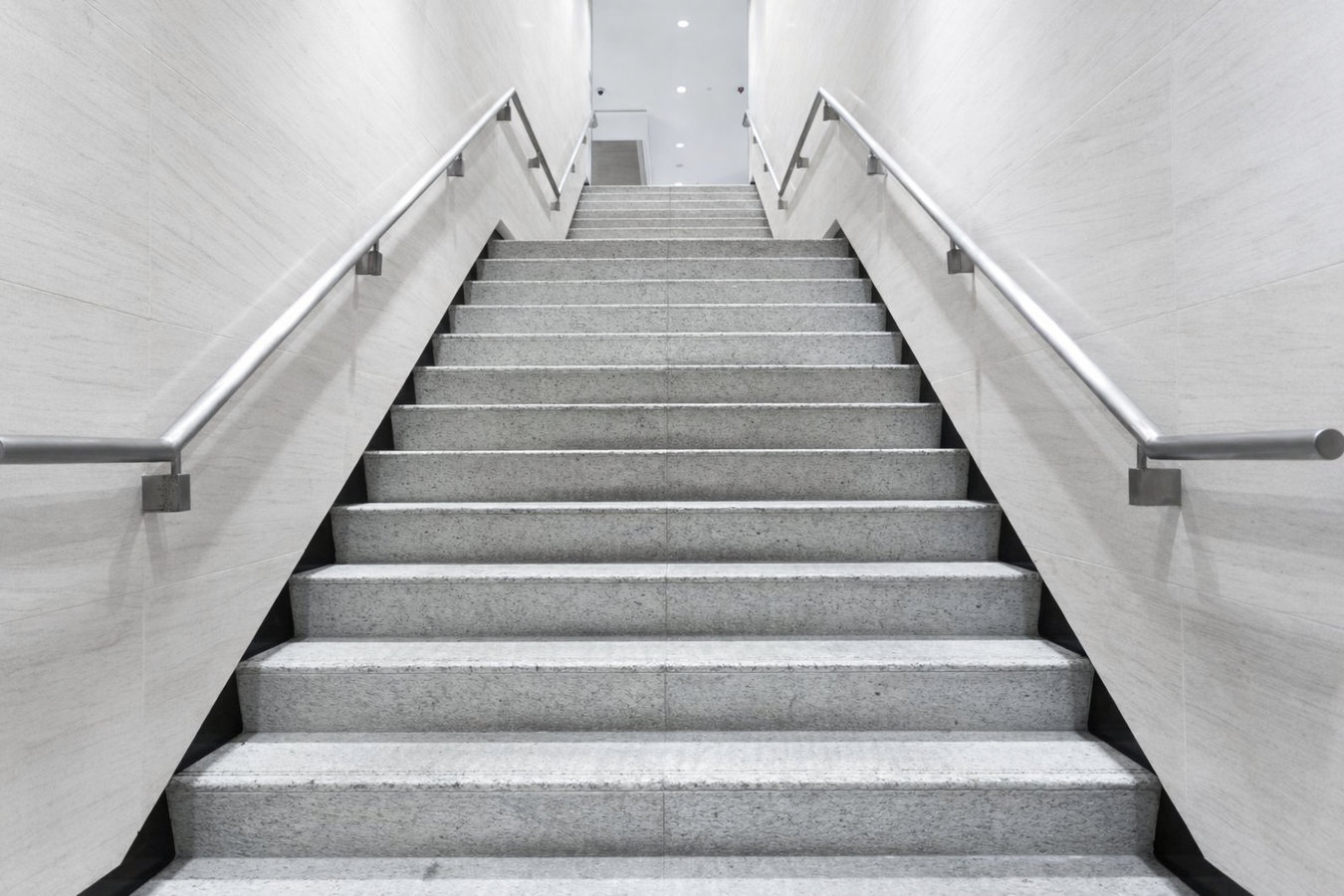
Crumbling, uneven, or cracked steps are a safety problem and a first impression problem. We build concrete steps that hold up through New Jersey winters and look like they belong on your home.
Concrete steps construction in New Brunswick typically takes one to two days of active work - demolition of the old steps and form-building on day one, the pour and finish on day two - with the concrete needing at least 24 hours before it can be walked on.
New Brunswick has a large share of homes built before 1960, and many of those front entries are on their original steps or have been patched multiple times over the decades. When steps get to the point where the edges are chipping, sections are shifting, or someone keeps catching their foot on the way up, it is time to replace them properly rather than patch them again. Concrete steps built with steel reinforcement and the right mix for this climate can last 25 to 50 years. Many homeowners also add concrete retaining walls at the same time to address grade changes around the entry.
In New Brunswick, structural concrete work typically requires a building permit. We pull the permit before any work begins and coordinate the city inspection so the job is properly documented from start to finish.
Small hairline cracks are common in older concrete, but if you can fit a coin into a crack or you notice one has grown since last year, water is getting in. In New Brunswick winters, that water freezes and expands, turning a small crack into a structural problem. Steps cracking through - not just on the surface - are telling you they are near the end of their life.
If the corners and edges of your steps are breaking off in chunks, the concrete is deteriorating from the outside in. This is especially common on older New Brunswick homes where steps were built without proper reinforcement, or where road salt tracked in during winter has been eating at the surface. Chipped edges also catch feet in ways that intact steps do not.
If you can see a gap between your steps and the front door threshold, or if the steps visibly lean to one side, the base underneath has moved. This happens on older New Brunswick properties where soil has settled over decades. Tilted steps do not drain properly, which pools water and accelerates damage - and they are genuinely dangerous in wet or icy conditions.
Each step should slope very slightly forward so rainwater drains away. If you notice puddles sitting on your steps after rain - or ice forming in those puddles in winter - the slope is wrong. Standing water accelerates the freeze-thaw damage that New Jersey winters deliver, and icy pooled water on steps is a fall hazard that does not get better on its own.
We handle demolition of the old steps, base preparation, forming, reinforced concrete pouring, finishing, and sealing - all under a single contract. Steel rebar or wire mesh goes inside every set of steps we pour, because reinforcement is what separates steps that last decades from steps that crack within a few winters. Every tread gets the right forward slope so water drains away rather than pooling. Finish options include a standard broom texture for maximum traction, or a more decorative stamped or exposed aggregate finish for homeowners who want something that stands out. For properties that need more than just new steps, we can pair this work with slab foundation building or a landing addition when the entry layout calls for it.
We work on front entries, side-door access points, and patio or deck staircases. New Brunswick properties often have tight lot access and older foundations that require careful handling during demolition - we plan for this during the estimate visit rather than discovering it on day one. Dense urban lots, narrow side yards, and limited street parking for a concrete delivery truck are routine for us; we address access logistics before the project starts, not after.
Best for most residential replacements - formed and poured to match your exact entry width, height, and landing needs.
The practical choice for outdoor steps in a four-season climate - fine ridges keep feet from slipping on wet or icy surfaces.
Suits homeowners who want their entry to make a stronger visual impression while keeping the durability of concrete.
We jackhammer out the old steps, haul the debris, and prepare a clean base before forming the new set - nothing left behind.
New Brunswick has a large stock of homes built in the early to mid-1900s, particularly in neighborhoods near downtown and the Buccleuch and Lord Stirling areas. Steps on these homes are often original or have been patched multiple times. When a contractor removes old steps on a home this age, they sometimes find that the base underneath has shifted or that the original work lacked proper reinforcement - both of which can add time and cost if they are discovered on the day of the pour rather than during the estimate visit. Central New Jersey winters bring multiple freeze-thaw cycles that crack under-reinforced or improperly mixed concrete fast. New Brunswick also requires a building permit for structural concrete work, so a contractor who skips that step is leaving you exposed when it comes to inspection records and resale.
We serve homeowners throughout New Brunswick and the surrounding area, including Woodbridge and Plainfield. We understand the older housing stock, the tight lot access common in this city, and the permit process at the New Brunswick building department.
We ask a few basic questions - number of steps, whether there is an existing set to remove, and what your entry looks like - then schedule a free on-site visit. We respond within 1 business day. Seeing the entry in person is required before any firm price is given, because older New Brunswick homes often have conditions that affect the job.
After the visit you get a written quote covering demolition if needed, base prep, forming, pour, finish, and sealing. We apply for the building permit from the City of New Brunswick before work begins - budget a few days to a couple of weeks for approval, depending on current city workload.
On the first day of work, the crew breaks out the old steps with a jackhammer and hauls the debris away. They then prepare the ground underneath, which may include adding a gravel base for drainage. This is the loudest and messiest phase - it always looks worse before it looks better.
Forms are built, steel reinforcement placed, and the concrete poured and finished - including the broom texture and forward slope on each tread. Plan to use a back or side entrance for at least 24 hours. The city inspection is coordinated by us and must pass before the permit is closed out and the job is complete.
We respond within 1 business day. No pressure, no obligation - just an honest written number for your entry.
(732) 633-0675Every set of steps we pour includes steel rebar or wire mesh reinforcement - not optional, not an upgrade. New Brunswick winters put real stress on concrete, and steps built without internal reinforcement crack and crumble far sooner than they should. We use the right mix and the right reinforcement for this climate.
The City of New Brunswick requires a building permit for structural concrete steps. We pull it, manage the city inspection, and do not call the job done until it passes. That record protects your investment and keeps you covered if you ever sell the home or need to reference permitted work.
We work across 12 communities in the region - from New Brunswick to Edison, Woodbridge, Piscataway, and beyond. That breadth means we understand the permit offices, the soil conditions, and the housing stock across central New Jersey, not just in one zip code.
You receive a written, itemized quote covering demolition, base prep, forms, pour, finish, and sealing before anything is scheduled. What you are quoted is what you pay. A legitimate contractor in New Jersey will give you their state Home Improvement Contractor registration number without hesitation - ours is on file and verifiable through the NJ Division of Consumer Affairs.
Concrete steps on an older New Brunswick home are not a small job when done correctly. The permit, the reinforcement, and the base work all matter - and we do not skip any of them.
Verify any New Jersey contractor before signing a contract through the NJ Division of Consumer Affairs Home Improvement Contractor registry. For concrete standards, the American Concrete Institute publishes the national benchmarks for structural concrete work.
When your project needs a structural base beneath the steps or an adjacent addition, slab work provides the solid footing everything else rests on.
Learn morePair new steps with a retaining wall to manage grade changes around your entry and stop soil from shifting toward the foundation.
Learn morePermit season books up fast - reach out now and we will get your entry on the schedule before the fall window fills.