Loading...
Serving New Brunswick, NJ and surrounding areas. (732) 633-0675
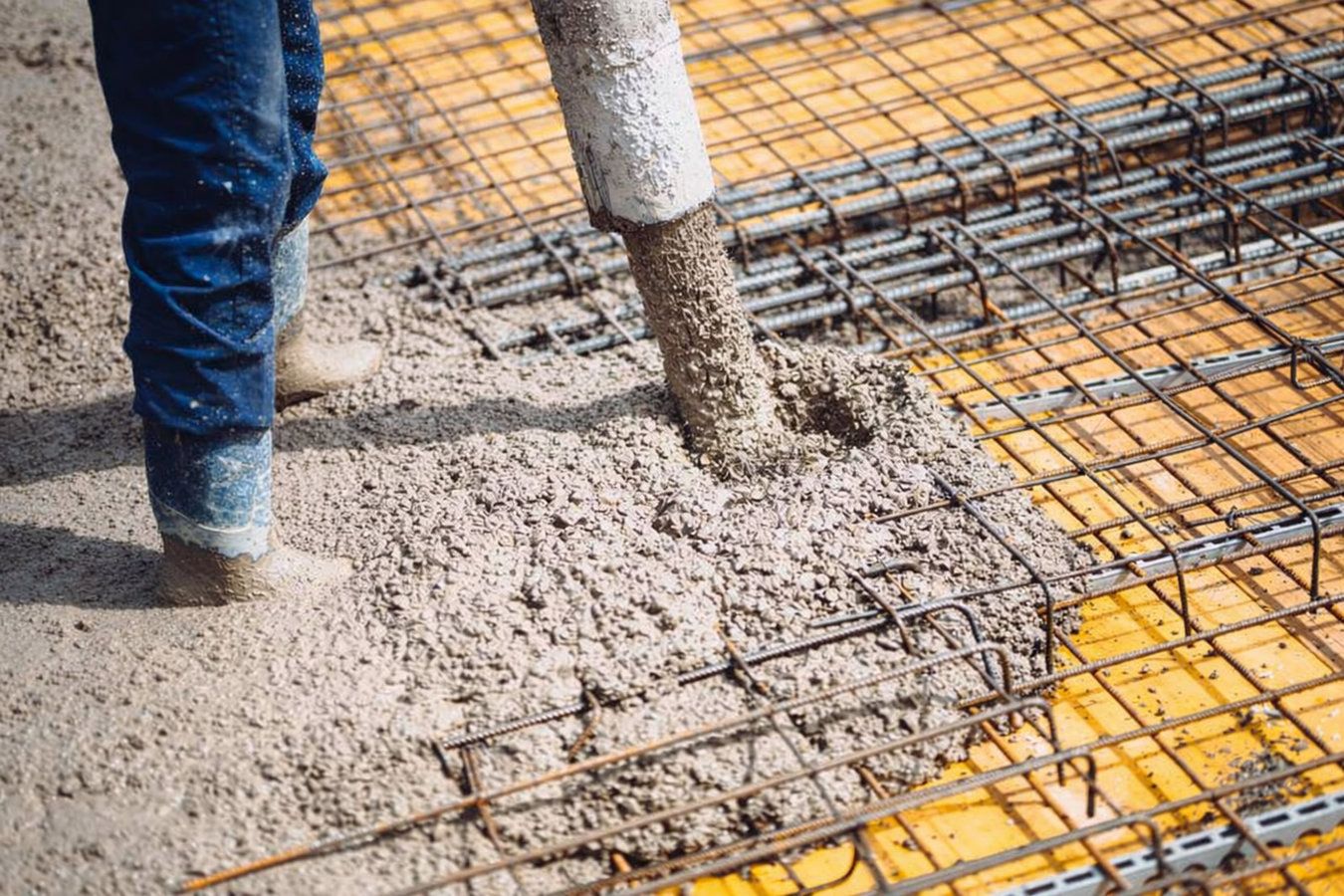
Your foundation carries everything above it. Whether you are building new, adding on, or dealing with an aging foundation, we install foundations in New Brunswick that are permitted, waterproofed, and suited to local soil conditions.
Foundation installation in New Brunswick covers excavation, footing and wall forming and pouring, exterior waterproofing, drainage provisions, and backfilling - most residential projects run three to six weeks from permit approval to a finished, inspection-signed foundation ready for framing.
Your foundation carries the weight of every wall, floor, and roof above it. Without a solid base, even a well-built house will shift, crack, and eventually become unsafe. In New Brunswick, where many homes date back to the early 1900s, foundation work often involves more than just new construction - it includes removing or reinforcing aging foundations that have been settling for decades. Homeowners starting smaller ground-level projects often begin with slab foundation building before committing to a full basement installation.
New Jersey requires a building permit for all foundation work. We handle the permit application, manage inspection scheduling, and give you a fully documented project that protects you when you refinance or sell.
Diagonal cracks - especially wider at one end than the other - are one of the clearest signs that your foundation is moving unevenly. In New Brunswick's older housing stock, this kind of movement often traces back to a foundation that has deteriorated or shifted over decades. If you are seeing these cracks in multiple places, the foundation itself needs to be looked at, not just the cracks.
When a foundation shifts, the frame of the house shifts with it - and doors and windows are often the first place you notice. If a door that used to swing freely now drags or a window suddenly will not latch, the house may be racking slightly out of square. This is especially common in New Brunswick's older homes, where original foundations have had decades of freeze-thaw cycles working against them.
New Jersey gets about 47 inches of rain per year, and New Brunswick's clay-heavy soils do not drain quickly. If you are finding water on your basement floor after a storm or during spring snowmelt, the foundation's waterproofing may have failed or was never adequate. Standing water in a basement is not just an inconvenience - over time it can undermine the foundation walls themselves.
Stand in your basement and look along the length of each wall. If any wall curves inward - even slightly - that is a sign the soil pressure outside is winning. This is worth watching for in homes near New Brunswick's lower-lying areas, where groundwater pressure can be higher after heavy rain. A bowing wall that goes unaddressed will eventually crack and fail.
We install poured concrete foundations for new residential construction, home additions, and replacement projects on older New Brunswick properties. The work covers excavation, footing and wall forming, reinforced concrete pours, exterior waterproofing membrane application, perimeter drainage, and backfilling with proper grading so water drains away from the house rather than toward it. Waterproofing is part of every basement foundation we build - it is not an upsell. In New Jersey's climate, with roughly 47 inches of rain per year and clay soil that holds moisture, an unprotected foundation wall is a slow-motion water problem. We also connect this work with concrete parking lot building and exterior flatwork when a new structure needs both a foundation and a surrounding concrete surface.
New Brunswick's older housing stock means many projects are not straightforward new-build installations. Existing foundations sometimes need to be partially or fully removed before new work can begin. Surprises below grade - deteriorated footings, old rubble fill, or drainage systems that stopped working - are more common in homes built before 1950. We do a thorough site assessment before giving you a price, so what we quote is what the project actually costs, not what it costs assuming the ground is clean.
For new construction and major additions where below-grade living or storage space is needed - the most common choice in older New Brunswick neighborhoods.
For homes and additions that need an elevated floor system without the full depth of a basement - often used on sloped lots.
For New Brunswick properties with original foundations nearing or past their useful life, requiring removal and complete reconstruction before the structure is sound.
For homeowners expanding the footprint of their home, where the new foundation must tie in carefully to the existing older structure.
New Brunswick has one of the larger concentrations of pre-1940 residential buildings in Middlesex County. Many of those homes sit on original foundations built with older methods - rubble stone, unreinforced concrete block, or poured concrete that predates modern waterproofing standards. When those foundations reach the end of their useful life, the replacement process is more involved than a straightforward new-build installation. On top of that, the city sits on clay-heavy soils that expand when wet and contract when dry, and parts of the city near the Raritan River experience elevated groundwater pressure after heavy rain events. Getting the drainage and waterproofing right is not optional here - it is the factor that determines whether your basement stays dry or becomes a recurring problem.
We work throughout New Brunswick and the surrounding region, including Perth Amboy and Woodbridge. Both communities share Middlesex County's soil challenges and similar aging housing stock, and our crews understand what the ground and the permit offices in this area require.
We ask a few initial questions - your home's age, size, foundation type, and what is prompting the project - then schedule an in-person visit. Foundation work is too site-specific to quote over the phone. Expect the estimate visit to take 30 to 60 minutes. We respond within 1 business day of your inquiry.
Once you approve the scope and price, we submit the permit application to the City of New Brunswick. Plan for one to three weeks for permit approval depending on current city workload. Your project start date is set after the permit is in hand - we do not schedule crews before paperwork is approved.
Excavation is the most disruptive day. Heavy equipment removes soil from the foundation area, and construction follows in stages over several days. The city inspector visits at required checkpoints - after the footing pour and after the walls are up. Exterior waterproofing is applied before the next step.
Once the concrete reaches adequate strength - typically about a week - the excavated soil is pushed back and graded so water drains away from the house. The concrete continues gaining strength over the following weeks. Framing or above-grade work can typically begin within one to two weeks of backfill.
Free on-site estimate. We pull the permit and handle every inspection. No surprises mid-project.
(732) 633-0675In Middlesex County's clay soils with close to 47 inches of annual rain, waterproofing is not optional. We apply exterior waterproofing membrane and perimeter drainage on every basement foundation we build - it is included in the quoted price, not presented as an add-on after you sign. A foundation without it will be a water problem inside of a few years.
New Brunswick has more pre-1940 residential properties than most towns in the region. Foundation work on these homes is different from new-build installations. We have removed original rubble foundations, dealt with deteriorated footings, and worked around surprises below grade on older New Brunswick properties - and we account for that possibility in our assessment before quoting.
The City of New Brunswick's construction office requires permits and multiple inspections for foundation work. We file the application, follow up, schedule every required inspection, and give you copies of all documentation. A contractor who handles 12-plus foundation projects annually in this area knows the local office and keeps the process moving without delays.
Clay soil, groundwater, and what is buried on your specific lot all affect cost. We look at your site thoroughly before giving you a number - and walk you through anything unusual we find before we start work. You will not get a change order mid-project for a soil condition we should have caught during the estimate.
You can verify that any contractor you hire for foundation work in New Jersey is properly registered through the NJ Division of Consumer Affairs. Our registration is current, our insurance covers both workers and property damage, and every project we take in New Brunswick is permitted and inspected. That combination - registration, insurance, permits, and inspections - is the baseline any homeowner should require before signing a foundation contract.
Commercial and residential concrete parking lots built alongside or after foundation work when a new structure needs surrounding exterior flatwork.
Learn moreGround-level slab foundations for garages, additions, and accessory structures that do not require the depth of a full basement installation.
Learn morePermit season fills up fast - reach out now to get your estimate on the calendar and your start date locked in before the summer rush.